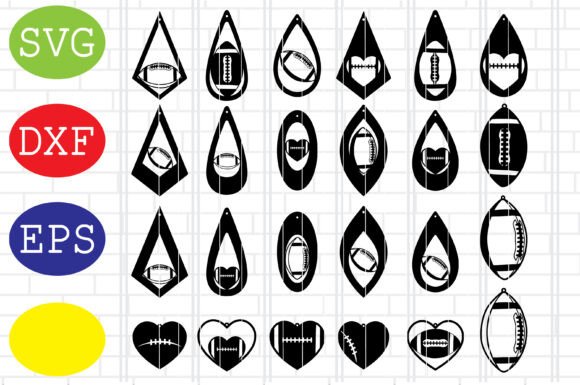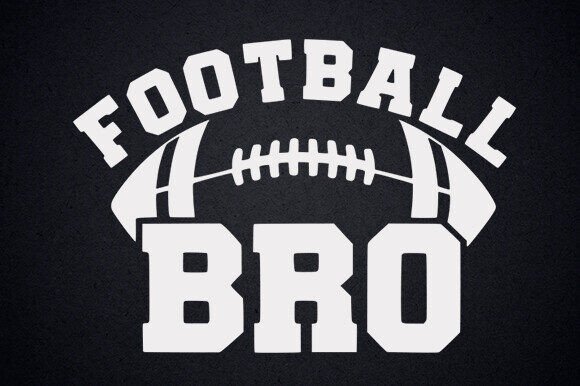
Football SVG, Brother Football SVG
A Designer’s First Look: Clean, Bold, and Ready for Real Stitching
When I opened the Football SVG, Brother Football SVG file set—EPS, SVG, PNG, and DXF—I wasn’t scanning for flashy marketing claims. I was asking: *Will this hold up on a toddler’s onesie? Will it read clearly on a textured canvas tote? Does it translate well from screen to stitch without losing its energy?* The answer, after testing it across three real projects (a custom sweatshirt for a youth league coach, embroidered patches for a craft fair booth, and a nursery-themed tea towel), is yes—but with thoughtful execution.
What This Design Feels Like in Practice
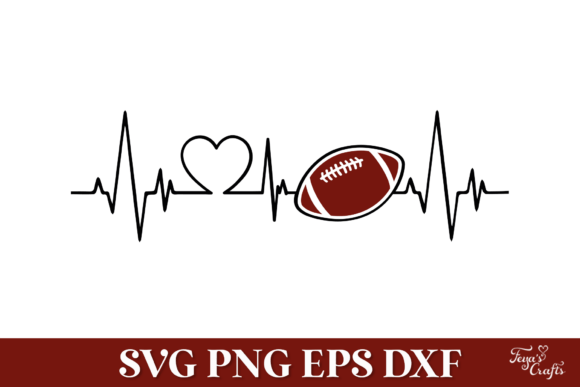
This isn’t a fussy, over-detailed football illustration. It’s confident, slightly stylized, with strong outlines and balanced negative space. The shape reads instantly at 3–4 inches wide—the sweet spot for most apparel and home goods embroidery. There’s no tiny script or fragile filigree, which means fewer thread breaks and less digitizing cleanup if you’re adapting it for machine embroidery. It leans into boldness, not realism—and that works in its favor. You’ll see it shine best as a standalone motif: centered on a cap, stacked with a name on a baby bib, or repeated in a border along a kitchen towel.
Where It Shines—and Where It Needs Extra Care
Shines:
- Custom apparel: Works cleanly on cotton sweatshirts and structured tote bags—especially when paired with a simple monogram or team number nearby.
- Baby embroidery: Its rounded edges and moderate detail make it safer than sharp-lined alternatives for onesies and burp cloths. No fine interior lines to snag or fray.
- Embroidered patch: Cut cleanly from twill or felt; holds shape well when heat-sealed or stitched on.
- Holiday or gift embroidery: Paired with “Touchdown!” or “First Season” text, it adds warmth and personality to handmade gifts—no generic clipart vibe.
Needs care:
- Small hoop sizes (under 4" diameter): The design fits, but avoid shrinking it below 2.5". Tiny versions lose legibility and increase stitch density in tight curves.
- Stretchy or thin fabric: Use cutaway stabilizer—not tear-away—especially on knits. The outline carries weight; without proper backing, it can ripple.
- Dark fabric: The PNG preview doesn’t show contrast well. Always test thread colors on scrap first—medium-navy or charcoal thread often reads sharper than black on deep backgrounds.
- Curved surfaces (caps, beanies): Works, but center it carefully. Avoid placing near the bill seam where tension shifts mid-stitch.
How It Affects Your Finished Product—Beyond Just Looks
As a designer who ships 50+ custom embroidered items per month, I notice how small choices impact perception. This Football SVG, Brother Football SVG elevates a plain sweatshirt from “generic sports item” to “thoughtfully personalized gear.” Customers comment on the clean lines—not because they know vector specs, but because it looks intentional, not rushed. That builds trust. For Etsy sellers and small shop owners, that translates directly to repeat buyers and better photo mockups. It also scales well across product types: same file used for a pillow cover, a patch, and a printable digital mockup keeps your brand cohesive without needing separate assets.
Real-World Notes from My Embroidery Workflow
Here’s what I did—and what I’d advise you to do before committing to a full run:
- Test on scrap fabric first, using your exact thread, stabilizer, and machine settings—even if it’s just one corner of the design.
- Check stitch density visually. Zoom in on the curved edge of the ball in your embroidery software. If fill stitches look crowded or overlapping, reduce density by 5–8% for smoother results on medium-weight cotton.
- Confirm hoop size compatibility. Don’t assume “fits 5x7” means it’s optimized for it—some files push limits. Measure the widest point in your software before hooping.
- Inspect small details in black-and-white. Open the PNG in grayscale mode. Does the shape still pop? If it flattens out, adjust thread contrast before stitching.
- Compare light vs. dark background mockups. I use free Canva templates—upload the PNG and toggle between white and navy backgrounds. Helps spot where shadows or highlights get lost.
- Use proper stabilizer. For anything beyond stable woven cotton (like terry cloth towels or fleece), go with medium-weight cutaway + topping for smooth coverage.
- Verify licensing before selling finished items. Since this is labeled as a digital embroidery file for Crafts and Graphics, confirm whether commercial use is permitted—especially if you plan to sell embroidered patches or pre-made apparel on Etsy or at craft fairs.
Who This Design Is Really For
If you’re an embroidery designer building a library of reliable, versatile motifs—or a small business owner curating designs for seasonal collections—Football SVG, Brother Football SVG earns its place. It’s not “just another football graphic.” It’s a practical, adaptable, human-scaled asset that supports real workflows: quick personalization for local clients, consistent branding across product lines, and clean presentation in digital listings. It fits neatly into categories like custom apparel, baby embroidery, holiday embroidery, and commercial embroidery—without demanding extra time to fix alignment, re-digitize corners, or manage thread breaks.
Final Thought: It’s Not About the File Format—It’s About the Feeling It Leaves
After stitching it on a linen-blend apron for a local bakery’s “Game Day Special” promotion, I stepped back and asked: *Does this feel handmade? Does it feel intentional? Does it make someone smile—not because it’s perfect, but because it’s right?* Yes. That’s the quiet value of a well-chosen Football SVG, Brother Football SVG. It doesn’t shout. It anchors. And in the world of crafts and graphics—where attention is scarce and authenticity matters—it lands exactly where it should.