Football SVG, Soccer Ball SVG
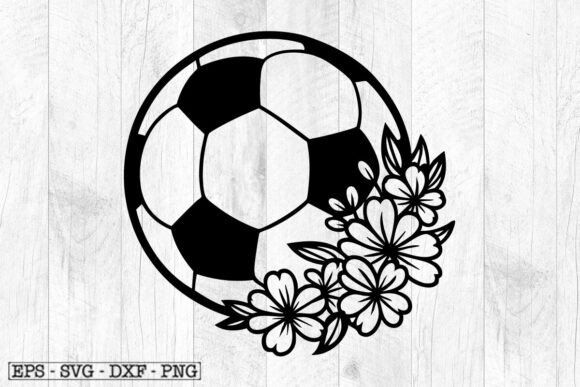
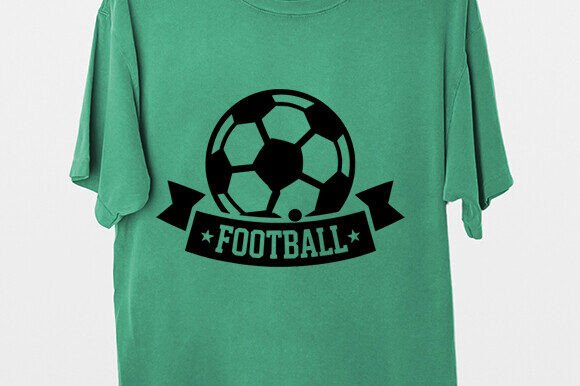
As a designer who’s stitched thousands of custom pieces—from baby onesies to boutique aprons—I opened Football Svg,Soccer Ball Svg expecting something clean and sporty. What I found was a confident, centered soccer ball motif with balanced negative space and clear silhouette definition. It doesn’t try to be overly detailed or cartoonish; instead, it leans into bold simplicity—exactly what holds up in real-world embroidery where thread, fabric, and stitch count all conspire to soften fine lines.
A Tote Bag Test: Where This Design Finds Its Footing
Last week, I used Football Svg,Soccer Ball Svg on a natural canvas tote for a local youth soccer league’s fundraiser. We needed something that would read clearly at 3.5 inches wide, survive repeated washing, and still feel handmade—not mass-printed. The design scaled beautifully. At that size, the ball’s pentagon-hexagon structure stayed legible without crowding the hoop. No tiny interior stitches bunched or skipped. The outline held crispness across both fill and satin-stitched sections, and the overall shape sat comfortably on the curved shoulder seam of the bag—no distortion, no awkward stretching.
That’s not accidental. This is a machine embroidery design built for clarity, not complexity. It works because it respects how thread behaves: generous spacing between elements, consistent line weight, and no micro-details that vanish under 40-weight polyester. That makes it ideal for custom apparel, embroidered patch backing, and tote bag design—especially when you’re stitching for volume or gifting.
Where It Shines (and Where It Needs Extra Care)
Football Svg,Soccer Ball Svg excels on medium-weight fabrics: cotton twill for caps, brushed poly-cotton for sweatshirts, linen-blend tea towels, and stable knits for baby embroidery. On those surfaces, the design reads with authority—friendly but professional, playful but polished. It adds instant recognition without shouting. Customers notice it. Coaches appreciate it. Parents snap photos of it on nursery decor or holiday embroidery gifts.
But here’s where attention matters: Football Svg,Soccer Ball Svg isn’t magic on stretchy or thin fabric. I tried it on a lightweight jersey tee—no stabilizer beyond light tear-away—and saw slight puckering around the outer curve. Not a dealbreaker, but a reminder: always use cutaway or mesh stabilizer for knits, especially if the finished product will go through frequent washing.
Also, avoid cramming it into tiny hoops. Below 2.75 inches, the ball’s surface geometry starts to compress. You’ll lose distinction between panels, and satin-stitched edges may blur together. For baby onesies or cap fronts, stick to 3 inches minimum—or simplify further by using just the outline as a running-stitch accent.
Dark fabric? No problem—if your thread contrast is intentional. I stitched it in white on navy terry cloth towels, and the result felt boutique-level. But test your thread colors first: some off-white poly threads dull against black, while bright lime or royal blue pop with energy on light backgrounds. Always check a black-and-white mockup too—it reveals balance issues invisible in color.
For Your Craft Business: Trust, Value, and Repeat Buyers
If you sell on Etsy or run a small shop, Football Svg,Soccer Ball Svg quietly builds trust. Why? Because it looks like it belongs—not slapped on, but thoughtfully placed. When customers see clean, even stitch density and proportional spacing, they assume care went into the whole process. That perception lifts perceived value. A $28 embroidered sweatshirt feels worth it when the logo sits right, aligns cleanly, and doesn’t fray after two washes.
This design also supports brand consistency. Whether you’re branding team gear, launching a soccer-themed kitchen line, or building a digital embroidery file bundle, Football Svg,Soccer Ball Svg fits naturally alongside other sports motifs—no jarring style clash. It’s versatile enough for holiday embroidery (think “Goal Getter” stockings), wedding gifts (“Our First Game Night”), or personalized products where subtlety wins over flash.
Practical Designer Notes Before You Stitch
- Always test first—on scrap fabric matching your final project’s weight and stretch.
- Confirm hoop size before digitizing or scaling. The EPS and SVG files give flexibility, but physical hoops constrain what actually stitches.
- Inspect corners and curves in your embroidery software. Look for abrupt angle jumps or overlapping nodes—these cause thread breaks or skipped stitches.
- Review stitch density manually. Too dense? It’ll stiffen fabric. Too sparse? It’ll look thin or translucent on dark backgrounds.
- Use proper stabilizer—especially for textured fabrics like terry cloth or woven cotton blends.
- Check licensing. Since this is a digital embroidery file sold as a graphics asset, confirm whether commercial use is permitted before selling finished products or bundling it into craft business kits.
- Compare light/dark backgrounds in printable mockups. What reads well on cream may disappear on charcoal—adjust thread accordingly.
Final Thought: Less Is Legible
In a world full of overdesigned SVGs, Football Svg,Soccer Ball Svg stands out by doing less—and doing it well. It doesn’t need confetti, banners, or script fonts to communicate its purpose. It’s a soccer ball, drawn with intention, sized for real hands and real machines. That restraint is why it works on a toddler’s bib, a coach’s apron, a holiday gift pillow cover, or a small shop’s limited-run merchandise.
It’s not flashy—but then, the best embroidery project assets rarely are. They’re reliable, adaptable, and quietly confident. And when your customer runs their fingers over that smooth satin-stitched curve and says, “This feels *made*,” you’ll know Football Svg,Soccer Ball Svg earned its place in your design library.