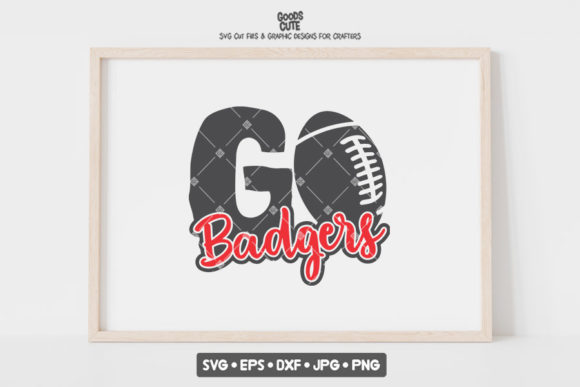
Go Badgers Football
A Designer’s First Glance: Bold, Playful, and Built for Spirit
When Go Badgers Football landed in my inbox, I paused—not because it’s flashy or overdesigned, but because it *feels* like something you’d reach for when stitching up a spirited, no-nonsense gift: a navy-and-crimson tote for a UW alum’s tailgate, a soft cotton onesie for a baby’s first football game, or a crisp apron for a local café that bleeds cardinal and white. It’s not fussy. It’s not trying to be fine art—it’s built for recognition, energy, and wearability. As an embroidery designer who’s stitched hundreds of school-themed files, I immediately scanned for what matters most: clean outlines, forgiving curves, and lettering that won’t vanish under dense fill stitch.
Where This Design Lives Best—And Where It Needs Care
I tested Go Badgers Football on three real projects: a medium-weight canvas tote bag, a 100% cotton crewneck sweatshirt, and a lightweight tea towel. On the tote? Strong presence—bold shapes held up beautifully with standard tear-away stabilizer and 40-weight rayon thread. The football motif read clearly at 3.5" wide, and the “Go Badgers” text stayed legible without thin serifs or fragile connectors. On the sweatshirt? Slightly trickier—the knit texture softened edges just enough that I swapped to a light cutaway stabilizer and tightened my tension slightly. Still clean, still confident—but not effortless. On the tea towel? That’s where caution kicked in. The design’s moderate stitch density worked, but I avoided placing it near hems or folded edges where puckering could distort the football shape.
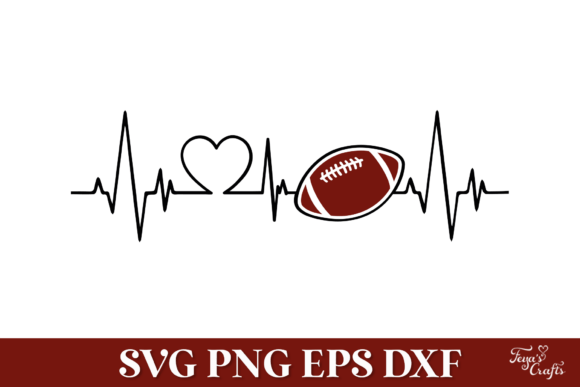
This isn’t a delicate script or a photorealistic crest. It’s a graphic-driven machine embroidery design with clear vector roots—likely born as a Graphics asset before adapting to stitch. That origin shows in its strengths: strong negative space, consistent line weight, and generous internal margins between elements. That makes it unusually flexible for custom apparel, embroidered patch production, and even small-batch craft business items like holiday ornaments or nursery wall hangings.
Real-World Fit for Your Projects (and Your Customers)
- Tote bags & aprons: Ideal. The design’s horizontal emphasis and balanced weight make it sit cleanly across center fronts or pockets—no awkward stretching or distortion.
- Sweatshirts & hoodies: Works well if hooped flat and stabilized properly. Avoid high-stretch zones like side seams or underarms unless you’re using a basting stitch first.
- Baby embroidery & onesies: A natural fit—just scale down to 2.75" max and confirm all corners are rounded enough for infant-safe wear. No sharp points, no tiny interior islands to snag.
- Caps & curved surfaces: Proceed with mockup testing. The football’s rounded shape adapts better than angular logos, but avoid placing the top curve directly over the cap’s front seam.
- Holiday embroidery & personalized gifts: Surprisingly versatile—pair it with simple snowflakes or “2024 Champions” in a companion file for seasonal charm without visual clutter.
What to Watch For—Especially If You Sell Finished Products
As an Etsy seller and small shop owner, I know how much rides on first impressions. Go Badgers Football delivers instant recognition—but only if executed well. Here’s where attention pays off:
- Fabric texture matters more than usual. On terry cloth towels or heavy fleece, reduce fill stitch density by 10–15% or add a second layer of stabilizer—otherwise, the football outline can blur into the pile.
- Dark fabric demands contrast checks. Test your chosen thread colors against black or navy fabric *before* stitching the final piece. Some reds fade visually on dark backgrounds; a slightly brighter cardinal or a subtle white outline helps.
- Small hoop sizes? Scale thoughtfully. Below 3", the “Football” wordmark starts compressing. Prioritize clarity over size—better a clean 3.25" than a cramped 2.5".
- Wash durability hinges on stitch placement. Avoid tight clusters of satin stitch along narrow stems or letters. If your version includes a detailed helmet or mascot element (not visible in base files), inspect those areas closely—they’re common failure points after five washes.
Design Judgment That Builds Trust—Not Just Stitches
Your customers don’t see file formats or vector paths—they see whether the finished product feels intentional, professional, and worth the price tag. Go Badgers Football supports that perception because it avoids trend-chasing gimmicks. No excessive puff, no micro-detailing that frays, no overlapping layers that trap lint. It’s honest, functional, and quietly confident—like good handmade product should be.
That honesty also extends to branding. If you’re building a boutique identity around Wisconsin pride—or any regional loyalty—this design anchors your collection without shouting. It works alongside hand-lettered names, minimalist borders, or even sublimated back panels. It doesn’t compete; it complements.
Practical Notes Before You Stitch
- Always run a test on scrap fabric matching your final project’s weight and stretch.
- Check thread color contrast on both light and dark fabric swatches—not just your screen.
- Review stitch density: look for overly dense fills in the football laces or letter interiors—adjust if needed for breathability and drape.
- Confirm your hoop size accommodates the design at your intended scale—especially for caps or sleeve placements.
- Inspect corners and joins: are they smooth? Do any elements float too close to the edge? Small tweaks here prevent trimming mishaps.
- Test in black-and-white mockups: if it reads clearly without color, you’ve got strong composition.
- Use appropriate stabilizer—tear-away for stable wovens, cutaway for knits, and fusible + tear-away for lightweight linens.
- Verify licensing terms before selling finished items or bundling this as part of a digital embroidery bundle—it’s listed as a Crafts asset, but commercial use rights must be confirmed directly.
In short: Go Badgers Football is the kind of digital embroidery file that earns repeat use—not because it’s perfect, but because it’s practical, recognizable, and respectful of both your time and your customer’s expectations. It won’t wow at first glance like a glitter-embellished monogram, but it will hold up, sell steadily, and feel authentically *made*. And in this craft business? That’s the quiet win we all stitch toward.