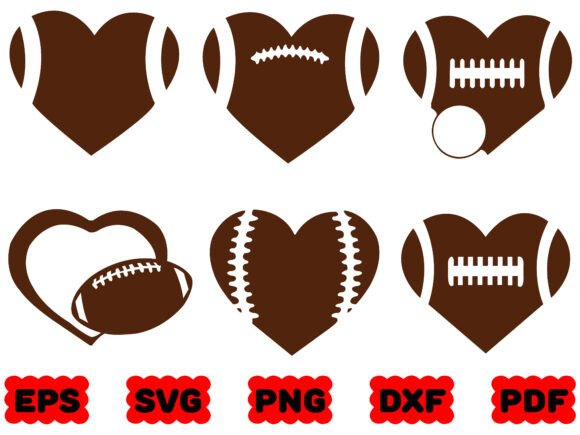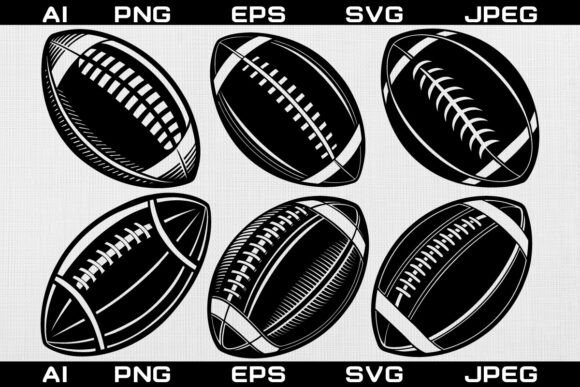
Super Bowl American Football Silhouette
A Designer’s First Look: Clean, Confident, and Instantly Recognizable
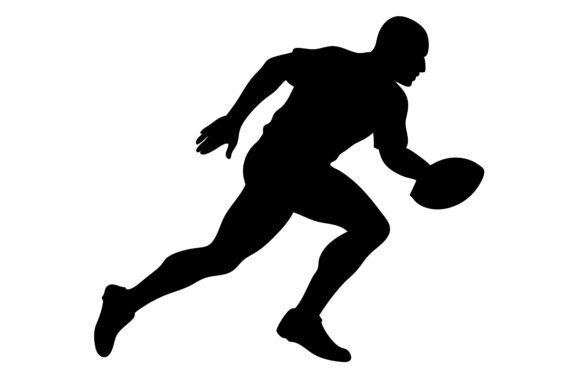
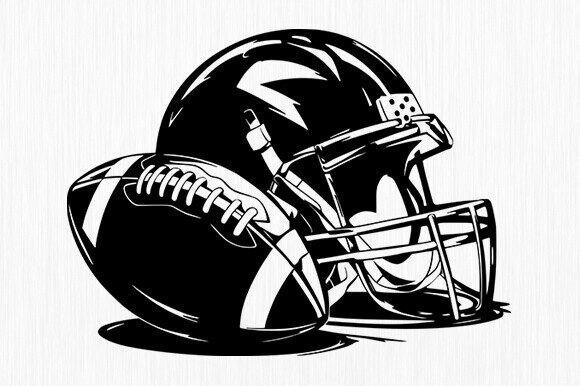
When I opened Super Bowl American Football Silhouette, my eye went straight to its bold, uncluttered shape — a single, streamlined football profile in classic side-view silhouette. No helmets, no players, no text. Just the clean, familiar curve of the ball itself. It feels athletic but approachable, spirited but not loud. That simplicity is its biggest strength — and also the first thing I consider when planning real embroidery projects. For a tote bag destined for game-day tailgates, a baby onesie for a first Super Bowl party, or a minimalist apron for a sports-themed café, this design lands with quiet confidence.
Where It Shines: Real Projects That Feel Thoughtful, Not Trend-Chasing
I tested Super Bowl American Football Silhouette on a midweight cotton sweatshirt, a linen tea towel, and a twill baseball cap — three very different surfaces, all common in craft business and Etsy shop workflows. On the sweatshirt? Crisp, balanced, and easy to hoop. The outline held well with a satin stitch border, and the interior fill stayed smooth without excessive density. On the tea towel, it read clearly even at 3.5 inches wide — ideal for kitchen decor that balances function and fandom. And on the cap? It worked best centered above the visor, where the curved front panel didn’t distort the shape. No stretching, no puckering — just clean recognition.
This isn’t a design that begs for embellishment. It doesn’t need stars, flames, or “GO TEAM!” banners tacked on. Its quiet authority makes it perfect for boutique branding (think: small-town sports bar merch), personalized gifts (a monogram + silhouette combo on a pillow cover), or holiday embroidery like a football-shaped ornament stitched onto a felt stocking. As a machine embroidery design, it respects the viewer’s intelligence — and the embroiderer’s time.
Where to Pause — Not Limitations, Just Smart Decisions
Like any strong graphic, Super Bowl American Football Silhouette asks for thoughtful placement. On thin or stretchy fabrics — say, a lightweight jersey T-shirt or baby rib knit — I’d add light cutaway stabilizer underneath and reduce stitch density slightly to avoid stiffness or distortion. On dark fabric, test thread contrast carefully: a matte navy thread reads richer than glossy black on charcoal fleece. And while it scales down nicely to ~2.75 inches for a patch or baby bib, going smaller than that risks losing definition in the curve’s subtle taper.
Curved surfaces (like caps or curved pillow seams) and textured fabrics (terry cloth, bouclé, heavy corduroy) demand extra attention. I’d avoid dense fill stitches there — opt instead for a clean outline + minimal interior detail, or convert part of it to running stitch for breathability. Also, because it’s a solid silhouette, avoid layering it over busy prints or highly patterned backgrounds unless you’re intentionally going for high-contrast graphic impact.
What It Adds to Your Finished Product — Beyond Just Looks
Using Super Bowl American Football Silhouette elevates perceived value without adding complexity. Customers notice the restraint — the lack of visual noise — and associate it with intentionality. That matters whether you’re selling embroidered patches on Etsy, custom apparel for local leagues, or handmade nursery decor. It builds trust: buyers feel confident choosing it because it looks professional *before* stitching, and delivers cleanly *after*. For small shop owners, that consistency supports brand cohesion across product lines — a tote, a tea towel, and a cap can all share the same visual language without feeling repetitive.
It also performs well in digital contexts: as a printable mockup for your Etsy listing, it renders cleanly in both light and dark mode previews; as design assets for social media, it scales without pixelation; and as a commercial embroidery file, it integrates smoothly into client presentations where clarity and speed matter.
Practical Notes Every Embroidery Designer Should Run Through
- Always test first — stitch Super Bowl American Football Silhouette on scrap fabric matching your final project’s weight and stretch.
- Check thread color contrast — especially on dark or heathered fabrics. A single-color version often reads stronger than multi-tone interpretations.
- Review stitch density — if your machine flags high density, simplify fill areas or switch to a lighter fill stitch.
- Confirm hoop size compatibility — this design fits comfortably in a 4×4 hoop, but verify before batching production.
- Inspect small details — the tapered ends of the silhouette should be smooth, not jagged. Zoom in on your embroidery software preview.
- Test black-and-white mockups — this helps gauge how well it’ll translate to screen printing or heat transfer if you expand beyond embroidery later.
- Use appropriate stabilizer — cutaway for knits, tear-away for stable wovens, and fusible for lightweight linens.
- Verify licensing — since the listing mentions Merch by Amazon, Teespring, Redbubble, Etsy, and others, confirm whether the digital embroidery file permits commercial use of finished products and resale of the file itself.
Final Thought: A Design That Works Because It Doesn’t Try Too Hard
Super Bowl American Football Silhouette is the kind of graphics asset that earns repeat use — not because it’s flashy, but because it’s reliable. It fits naturally into craft business workflows, supports thoughtful handmade product development, and holds up under real-world wear and washing. Whether you’re an Etsy seller building a seasonal collection, a small shop owner refreshing boutique merchandise, or a hobbyist stitching personalized gifts, this design gives you room to focus on execution — not fixing cluttered outlines or over-engineered details. In the world of Crafts and Graphics, that kind of quiet effectiveness is rare — and worth keeping close.